
As your trusted property investment advisor, The Barnard Group empowers investors who want to build wealth through tailored, risk-managed strategies. Our boutique approach delivers exclusive opportunities and personalised guidance—so your financial goals are met with precision.
If you’ve ever asked, “Should I chase high rental yield or focus on capital growth?” you’re not alone. It’s one of the oldest debates in property investing—and getting it wrong can leave you with a portfolio that looks great on paper, but doesn’t actually move you toward your goals.

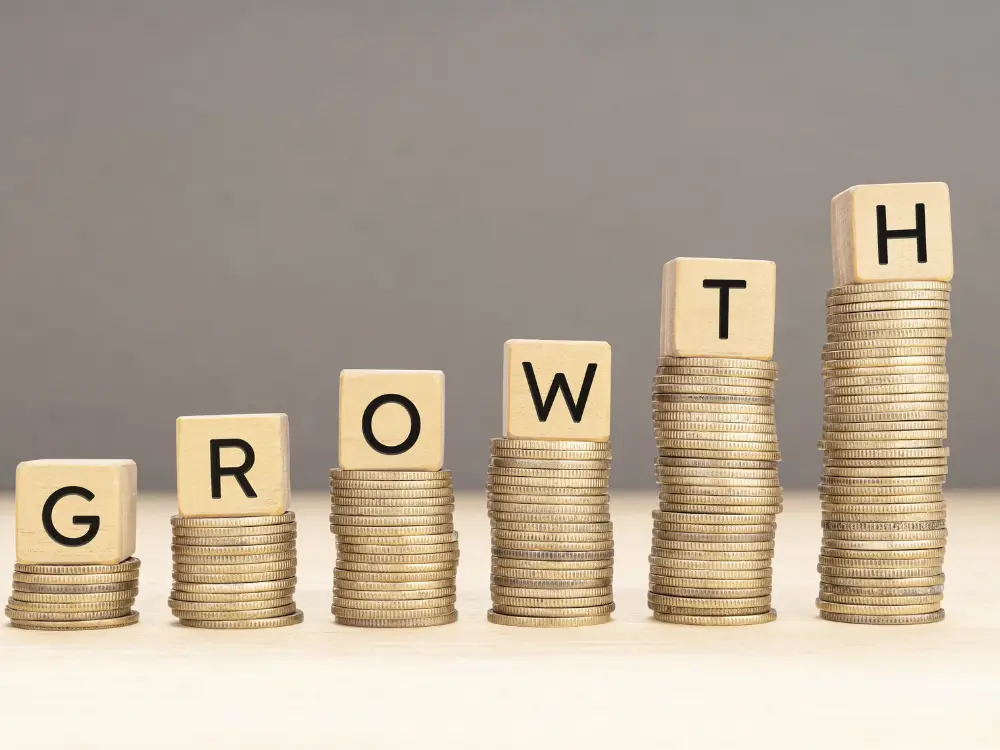
Capital growth is the increase in your property’s value over time.
Example: You buy at $500,000 and it’s worth $700,000 in 10 years—your growth is $200,000.
This is where most long-term wealth creation happens in property.
Rental yield is the income your property generates relative to its price.
Example: A $500,000 property renting for $500/week generates about $26,000/year—roughly a 5.2% yield (before costs).
Here’s the catch: high-growth areas often have lower yields, and high-yield properties often have lower growth. Think inner-city houses (strong growth, lower yield) vs regional units (higher yield, weaker growth potential).

You may end up with properties that look impressive, but bleed cash each month.
That’s often negative gearing territory, where rent doesn’t cover expenses. Some investors can handle this, but it can reduce borrowing capacity and create stress—especially when rates rise.
You might enjoy strong cash flow—but if the properties don’t grow, you don’t build enough equity to leverage into the next purchase. That’s how investors get stuck: stable income, but no progression.
The goal is sustainability + progression. That usually means a mix.

Use your goal as the deciding factor:
Capital growth generally needs to be the priority. Growth assets can create equity you can recycle over time—helping you expand and increase net worth.
Yield becomes more important. You may accept lower growth because income and holding comfort matter most.
A common approach is:
Think of it like a seesaw: growth on one side, yield on the other, and your goals sit in the middle to balance the equation.
For yield strength, look for:
Data helps—but timing and market cycle matter too. The same suburb can behave very differently depending on the phase of the cycle.

Bought multiple regional properties at ~7% yield. Cash flow looked great… but values barely moved. With limited equity growth, borrowing power stalled. No equity = no momentum.
Bought only growth-focused inner-ring properties. Values rose strongly—but the low yields made the portfolio hard to hold. Rate rises created pressure. Great paper gains, high stress.
They blend both approaches. A simple example mix might look like:
The growth properties create options. The yield property helps keep the plan comfortable.

Property portfolios aren’t static. They evolve.
Diversify across:
Over time, you may need to rebalance.
What you need at 35 is usually not what you need at 55.
Write down your current holdings and label each as:
Then ask:
In the next video, we’ll cover how to leverage equity and structure finance properly—that’s where many investors unlock the next stage.
If you want a personalised, risk-managed plan built around your income, time horizon, and comfort level, reach out to The Barnard Group and let’s chat.
Is capital growth or rental yield more important?
It depends on your goal. Growth tends to drive long-term wealth, yield supports holding comfort and income. Most investors do best with a blend.
What’s a good rental yield in Australia?
“Good” depends on location, property type, and your strategy. Yield should be assessed alongside vacancy rates, costs, and growth prospects—not in isolation.
Can you build wealth with high-yield properties only?
You can build income, but many investors stall if capital growth is weak because equity growth is what usually enables scaling.
Are growth properties always negatively geared?
Not always, but many growth-focused assets can run at a cash-flow loss. The key is ensuring the portfolio stays sustainable under rate changes.
How do I balance growth and yield in a portfolio?
Start with your time horizon and risk profile. Many investors use growth assets as the equity engine and add yield assets to stabilise cash flow.
Enter your email to receive your free property investment guide and start planning today.
WhatsApp us
Lorem ipsum dolor sit amet, consectetur adipiscing elit. Ut elit tellus, luctus nec ullamcorper mattis, pulvinar dapibus leo.

Lorem ipsum dolor sit amet, consectetur adipiscing elit. Ut elit tellus, luctus nec ullamcorper mattis, pulvinar dapibus leo.